
Losing Family, Gaining Family
Memories of the loss.
At Imbabazi Orphanage, childhood was shaped by loss—but also by care, learning, and hope. Through ten personal stories, this work traces how resilience formed within the orphanage continues to guide lives, families, and futures today.
I was two years old when the 1994 Genocide against the Tutsi in Rwanda left me orphaned. I do not remember my parents or siblings. I was taken to Imbabazi Orphanage, founded by Roz Carr, where I grew up alongside 120 children who became my brothers and sisters.
For nearly nineteen years, Imbabazi was my only home. Within its walls, we experienced care, routine, celebration, and a deep sense of family. Contrary to common perceptions, life in the orphanage was not only defined by loss—it was also shaped by love, safety, and belonging.
In 2013, the Rwandan government began closing all orphanages. At Imbabazi, children were suddenly dispersed—some reunited with relatives, others placed in foster care, and many left to navigate adulthood alone. When I returned from boarding school to find only five children remaining, the disappearance of our shared home marked a profound rupture.
Losing Family, Gaining Family is a long-term documentary project in which I revisit the people I grew up with, now adults, documenting their lives through photography and personal stories. The project moves between past and present, exploring how we adapted to life beyond the orphanage and how bonds formed in childhood endure despite separation.
This work challenges simplified narratives about orphanages by presenting a more complex reality—one that acknowledges both loss and care. It is a personal act of remembrance and a collective archive, preserving the lived experiences of a family that once existed within the fences of Imbabazi.
As Rwanda marks a decade since the closure of Imbabazi Orphanage, Losing Family, Gaining Family preserves a shared history that might otherwise be forgotten.

Benjamin Nyikonkuru Benjamin joined Imbabazi Orphanage in 1998 during the insecurity that erupted in North-west Rwanda between 1997 and 2000. He lost his parents to neighbors during the post-genocide violence and witnessed the trauma of his younger brother being breastfed by their deceased mother. These early experiences left lasting scars, especially when he saw other children in distress, reminding him of his own suffering. Benjamin entered the orphanage with his younger brother and two older sisters. He left in 2012 to live with his married sister, while his brother went to live with the orphanage director, a relative, and his sister began building her life after completing vocational training. Today, Benjamin is a father of four and manages a guesthouse in Musanze. He completed high school and, with the support of a friend of Roz Carr, the founder of Imbabazi Orphanage, attended university. He reflects: “At the orphanage, I learned many important skills, including communication. We also had a teacher who taught English and French, which helped me express my dreams to Roz’s friend. She supported my university studies, and that changed my life.” Benjamin’s advice for those running orphanages is clear: “It is essential to follow up with children who are reunified with relatives. My experience living with my sister was very challenging—without proper support, children may struggle despite being with family.”
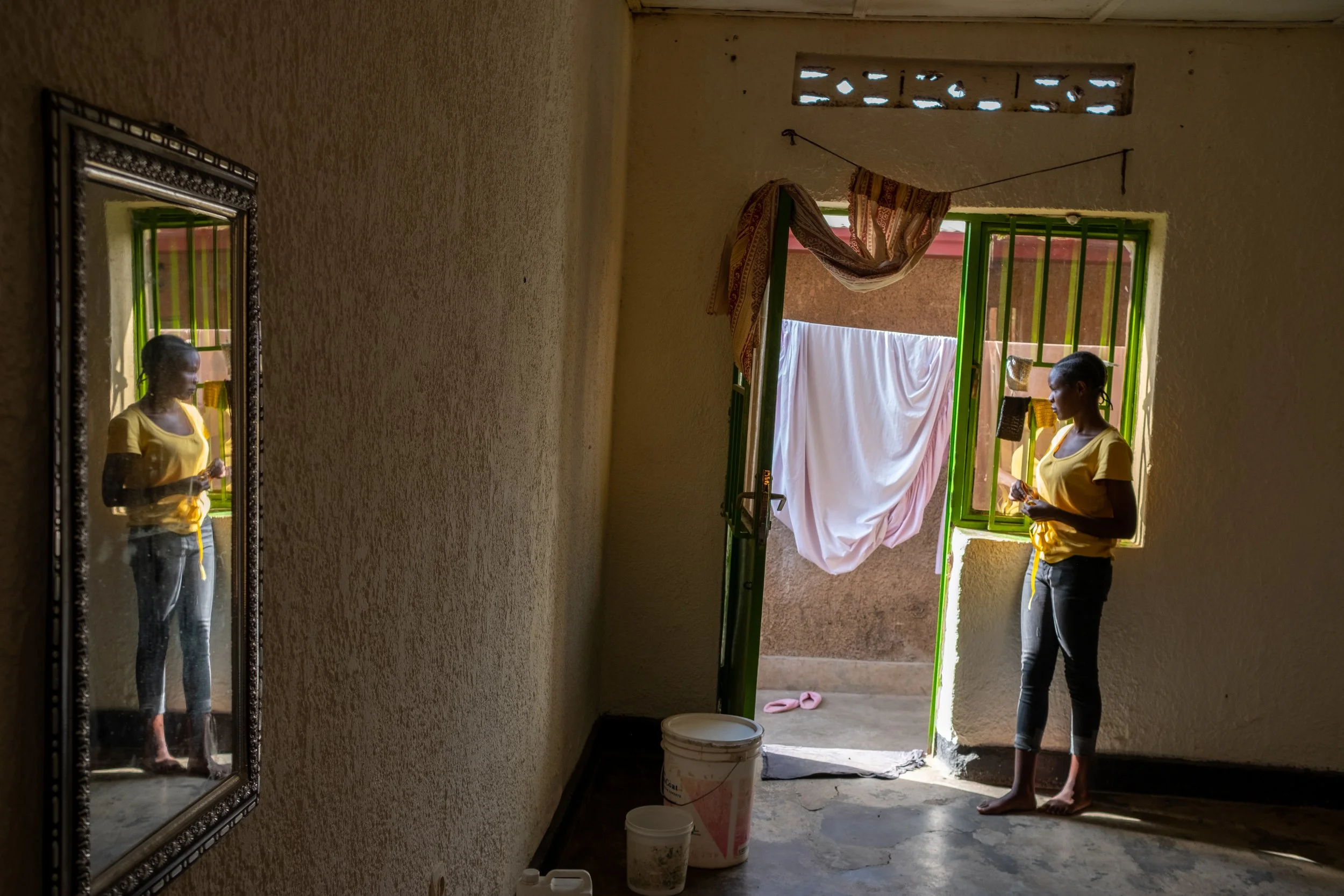
Christine Mapfasha Christine joined Imbabazi Orphanage in 1997, after the orphanage she had been living in since 1993 was closed during the civil war. She left Imbabazi in 2012, when children were asked to find foster or adoptive families. Christine was taken in by a woman from her church, who allowed her to finish high school after she had studied cooking at a vocational school. After the death of her foster mother, Christine was treated poorly, accused of causing her death, and forced to leave. She later went to live with an American missionary, a friend of Roz Carr, who supported her until she could live independently. Today, Christine makes a living through crocheting, a skill she learned at the orphanage as a child. Like many others at Imbabazi, Christine did not have information about her biological family, which is why she was encouraged to find a foster or adoptive family. Christine shares advice for foster and adoptive parents: “It is heartbreaking to see children treated poorly after being promised love, care, and affection. Some families struggle to understand differences or expect payment for caring for orphans, which leads to neglect or mistreatment. Foster families must act with love, and orphanage staff and authorities should follow up to ensure children are treated well.”
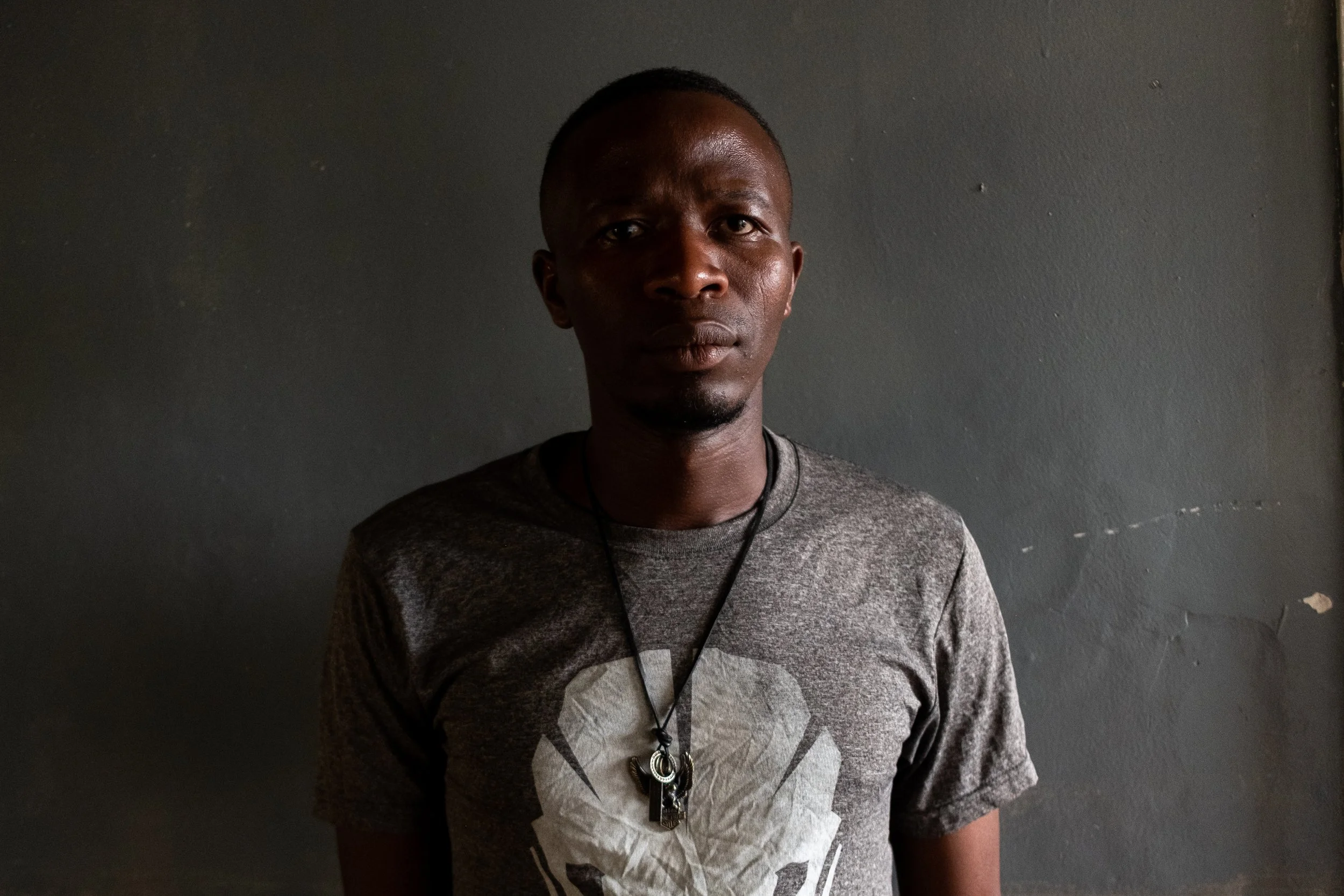
Didie Musabyimana Didie joined Imbabazi Orphanage in 1998 with his older and younger brothers, Desire Ntirenganya, after the death of their parents. After leaving the orphanage, he joined his older brother and later attended vocational training to learn welding. He was very young—only 16 or 17—when he completed vocational school. Today, Didie works as a waiter at Kodo’s Coffee Shop, where he has been for the past two years. Reflecting on his past, he says: “Life was very hard, living in the community without basic needs or guidance. Before joining Kodo’s Coffee Shop, I was a street kid. My big brother didn’t know how to take care of us, which is why my little brother left. Kodo, my best friend from the orphanage, came to my rescue.” At Imbabazi, Didie was known as DJ Kayiko (DJ Spoon), responsible for the evening music, movies, and TV. He dreamed of becoming a DJ, but his aspiration ended when staff decided he did not have the ability to continue high school. Didie advises children living in orphanages to study hard and respect staff, acknowledging that some of his missed opportunities were due to conflicts with the orphanage director. For orphanage staff and caregivers, he urges: “Listen to the children and act as parents for them—not just authority figures.”
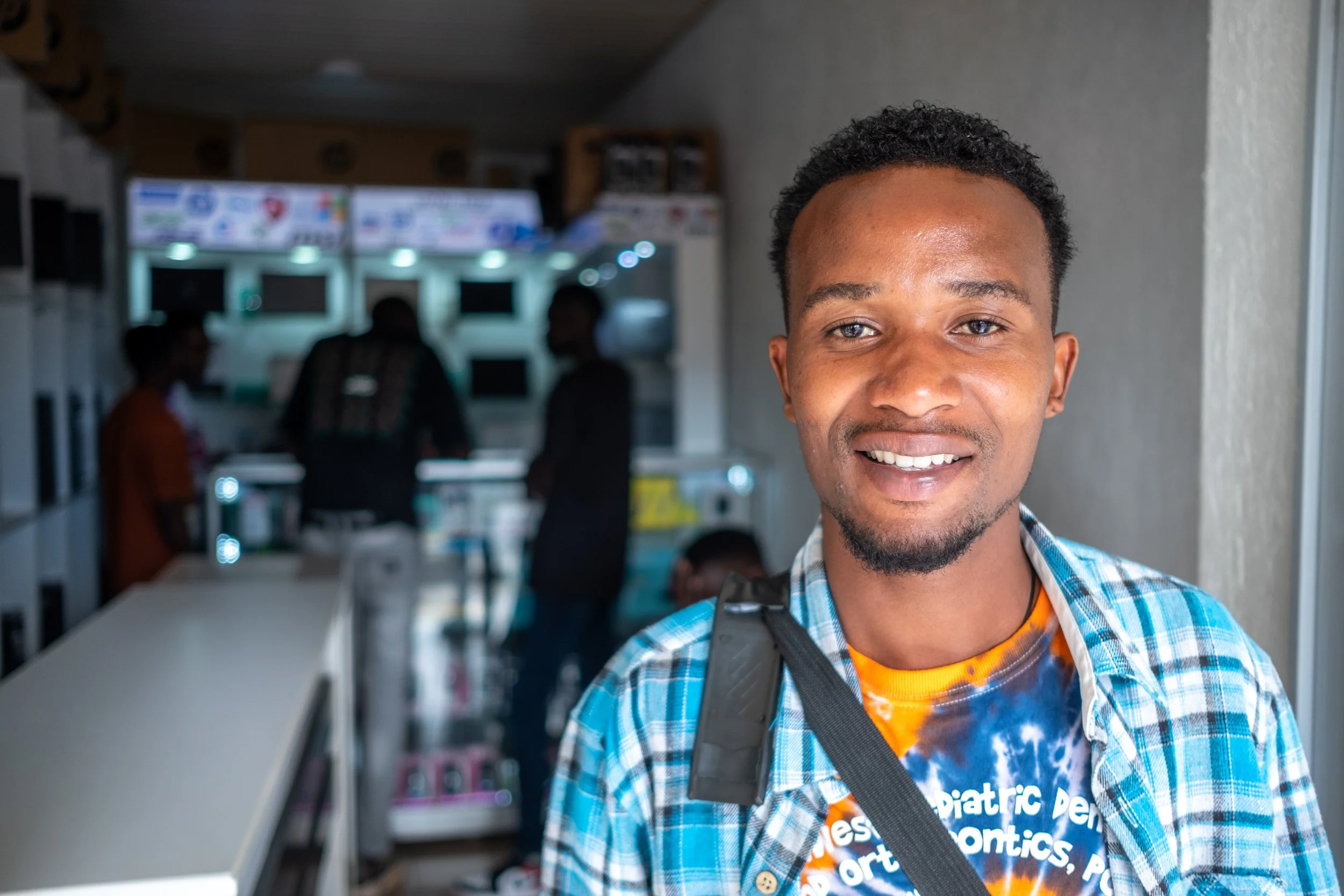
Desire Ntirenganya Desire joined Imbabazi Orphanage in 1998 during the insecurity that affected North‑west Rwanda and claimed his parents’ lives. He was about one and a half years old when he arrived at the orphanage with his two older brothers. In 2012, Desire left Imbabazi to join his older brother, who had already begun living independently. The orphanage supported him through three years of secondary school, but after he did not pass the national examination, his school fees were no longer covered. A former orphanage friend stepped in, offering him a place to stay and paying his fees so he could complete the remaining three years of high school. Today, Desire works as an electronics technician in Kigali, repairing laptops, smartphones, and televisions. He is well known in the city center for his skills and reliability. Reflecting on his upbringing, Desire shares the social challenges he faced after leaving the orphanage: “Living in the orphanage made it difficult for me to learn social manners from the community. I didn’t know how to behave around elders. When I passed without greeting them, people asked where I came from and where my mother was. Some neighbors said I was heartless because I didn’t know how to respond when someone was in pain. It made me realize that growing up with parents or someone who truly cares would have taught me these things.”

Mwiza Devota Mwiza joined Imbabazi Orphanage in 1998 during the insecurity in North-west Rwanda between 1997 and 2000. Her mother had passed away, and her father was living with a disability. She entered the orphanage with her older sister and brother. The siblings left Imbabazi in 2011 when they were reunified with their father. Today, Mwiza is a single mother to a two-year-old son and is in her final year at university, studying business. Reflecting on her time at the orphanage, she fondly remembers the unconditional love of the founder, Roz Carr: “Roz loved us like her own children. Every child in the orphanage felt that love. We went to the same school, ate the same food, and slept in the same beds. I loved the sense of equality—we were all treated the same, no matter if we lost our parents in the genocide, in refugee camps, or during insecurity. This is the kind of love I want to give to my own child and to everyone I meet.” Mwiza’s advice for children currently living in orphanages is clear: “Focus on your education, and orphanage staff should support and encourage children to study hard. Education is the key to building a better future.”
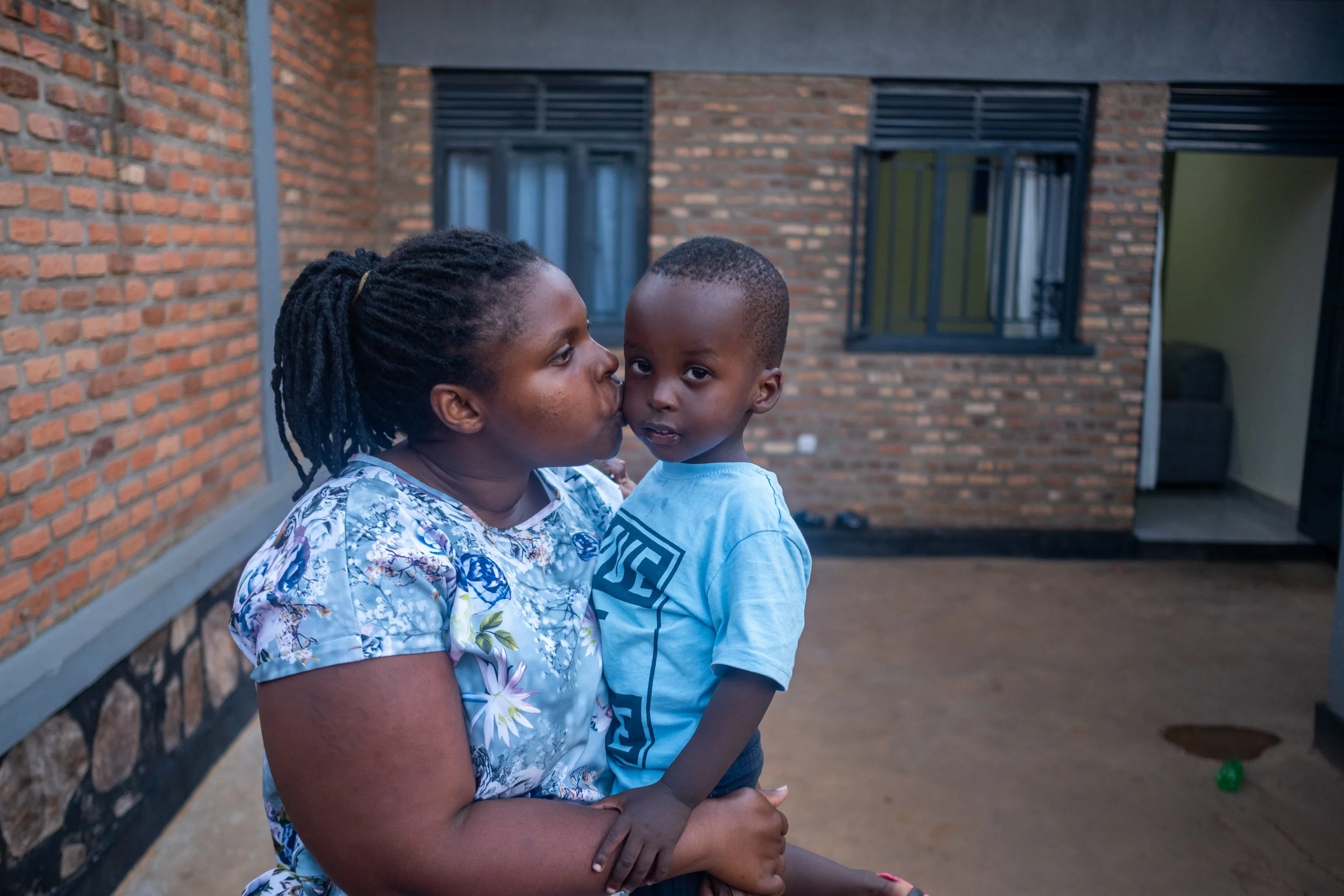
Hyacinthe Ndayiragije Hyacinthe joined Imbabazi Orphanage in 2003. She had two sisters who had been living at the orphanage since 1996. After being separated from her sisters in 1994, she lived with family relatives until joining Imbabazi. In 2008, Hyacinthe left the orphanage to live with her elder sister, who had married a year earlier and brought her sisters into her new family. Today, Hyacinthe is a married woman with a four-year-old son. Though she spent a relatively short time at the orphanage—about four to five years—she valued the sense of community and the shared stories that made the orphanage feel like a family. Reflecting on her experience, she says: “I didn’t spend as long in the orphanage as others, but I loved how we were together and shared stories all day. My advice to children living in orphanages is to study hard. For caregivers and orphanage staff, it’s important to let children learn household responsibilities like cooking, cleaning, and washing so they are better prepared for life outside the orphanage. I saw how my little sister struggled when we moved in with our older sister because she hadn’t learned these skills.”
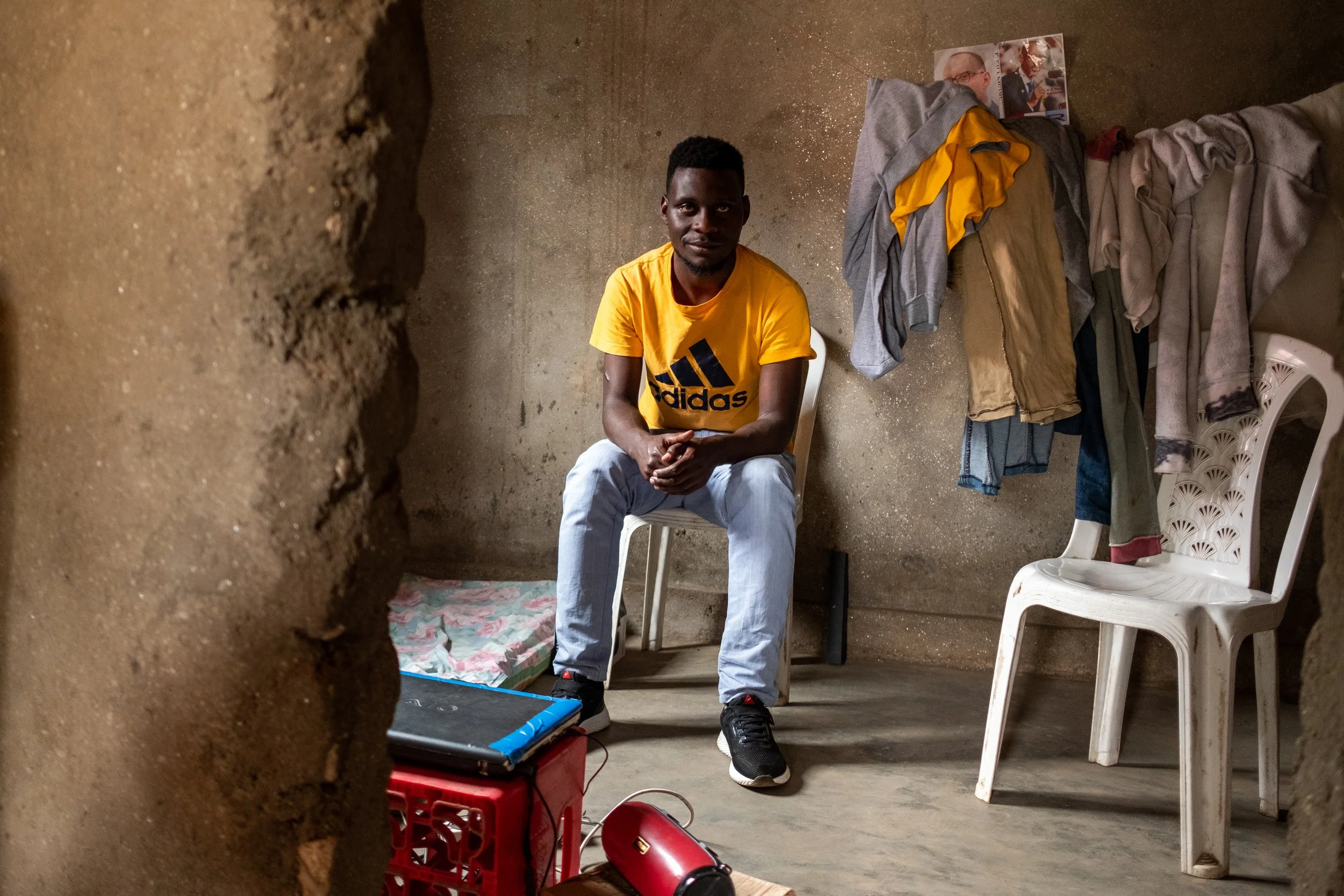
Issa Uzabakiriho Issa joined Imbabazi Orphanage in 2002 after being found on the street. His parents died while moving from Uganda to Rwanda, and although he had an older brother, his brother was unable to join him at the orphanage. Like many children, Issa was later asked to find a family to foster or adopt him. He spent two years at a vocational training school learning welding. As a child, Issa dreamed of becoming a video or music producer, but he did not get the opportunity to pursue this path. Today, he makes a living translating films from English to Kinyarwanda. Education remained important to him, even though paying school fees was challenging. With support from his fellow orphans, he completed high school and moved between different homes, searching for a family to call his own. At one point, he stayed with a church family, but it ultimately did not work out. He now lives independently. Reflecting on his journey, Issa says: “I struggled throughout my life because I never had parents or a guardian to guide me. I worked hard, but I lacked support. If caregivers and orphanage staff had stayed connected and truly cared, life would have been easier. My advice to anyone reading my story is to love and care for every child as if they were your own—you never know when someone might need that love and guidance in the future.”

Kodo Nteziyaremye Kodo joined Imbabazi Orphanage in 2001 after the closure of a center for street children where he had been living since 1996. His parents had passed away, leaving him vulnerable on the streets. After completing vocational training in cooking, Kodo left the orphanage in December 2012. He initially did an internship and later worked as a waiter for three years before opening his own small restaurant, which he has been converting into a coffee shop. Reflecting on his experience, Kodo says: “Imbabazi was better than the street center I came from. Back then, I was punished with beatings for mistakes, even small ones. I was never treated as human. At the orphanage, I learned to be kind and help those in need, which is why I now hire people I grew up with and support them like a big brother.” Though Kodo did not finish high school—staff did not allow him a second chance after failing a year—he emphasizes the importance of guidance and support: “Orphans face many mental challenges. Staff and caregivers should listen to children and support them, helping improve their wellbeing and school performance. My advice to children in orphanages worldwide is to study and work hard—it is the only way to give back and create a better life.”
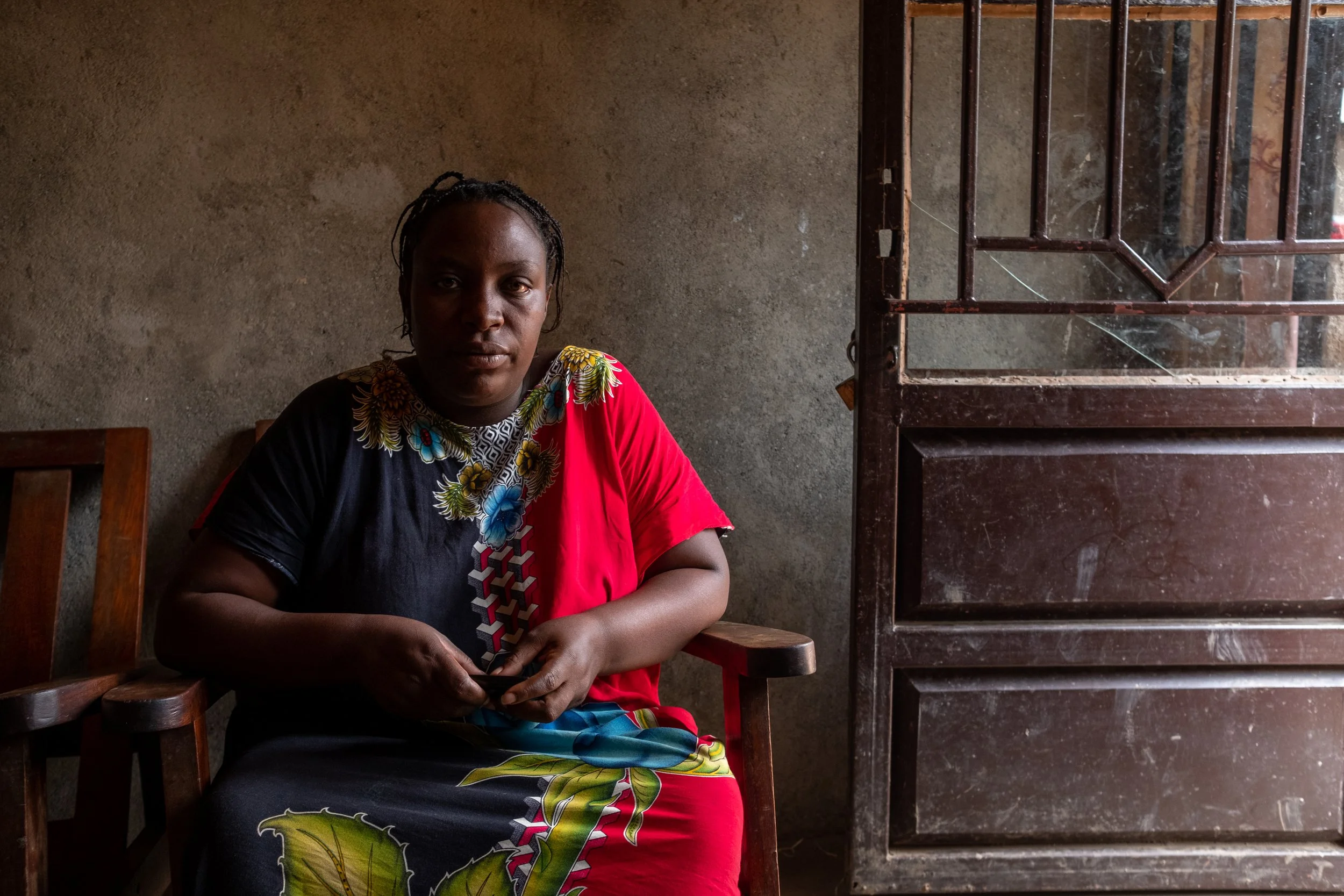
Raisa Uzamukunda Raisa joined Imbabazi Orphanage in 1996 with her older brother after the death of their parents. She left the orphanage in 2011 after refusing to join vocational training school following a national exam failure. She wanted to continue high school and went to live with her brother, who had left the orphanage in 2007 due to disagreements with staff and was working successfully as a tour guide. A year after leaving the orphanage, Raisa became pregnant and moved in with the father of her daughter. Today, she is a mother of two children, with a third expected soon. She also cares for her husband’s brother’s daughter, whose father is unable to provide for her—a way for Raisa to give back to the community. Reflecting on her experience, Raisa says: “Life at the orphanage taught me to live peacefully with everyone, get along with neighbors, and help others. I thought I would live at the orphanage forever, so it was shocking when it closed. After leaving, I struggled with basic household chores and adapting to life as a teenage girl. If I had lived with parents or someone who truly cared for me, I might not have had to give up my dreams due to early pregnancy.” Raisa offers advice to caregivers and orphanage staff: “Children in orphanages need life skills from the community. Caregivers should educate children about daily life, social behavior, and reproductive health. Too often, staff focus only on their jobs and salaries, without preparing children for independent life.”
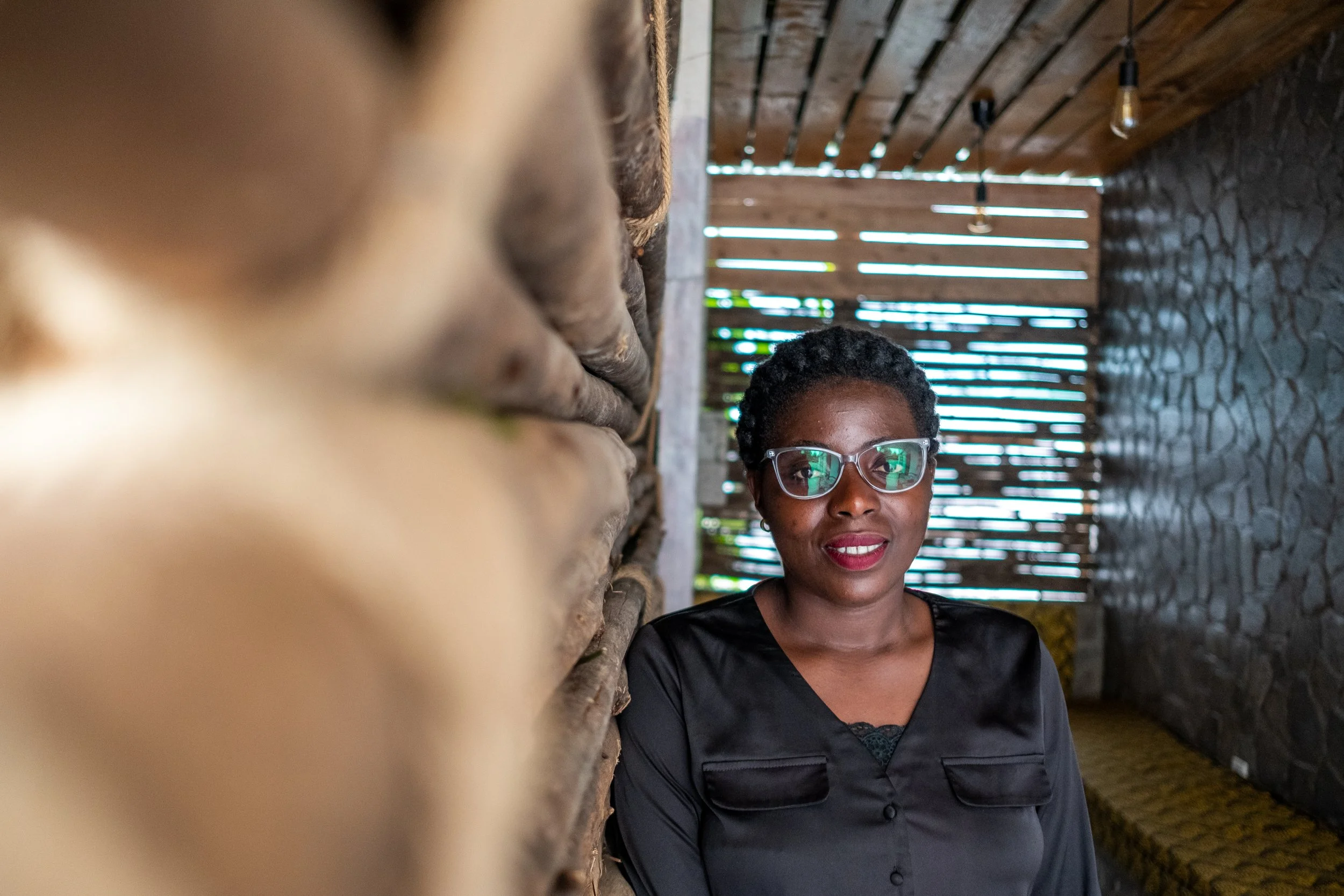
Rose Umubyeyi Rose joined Imbabazi Orphanage in 2006 with her two nephews after the death of her older sister. Her father and grandfather were unable to care for them, and the father of her nephews had moved to a neighboring country. In 2012, Rose left the orphanage when she was reunified with her father, who provided her with a house and support to live independently. Living alone at 16 without food was extremely challenging. Rose worked on neighborhood farms to feed herself, while the orphanage continued to pay for her school and university education. Using a small portion of her university allowance, she started a business selling fabrics at the Musanze market. Reflecting on her time at the orphanage, Rose shares: “I loved life at the orphanage because we all had the same struggles and treated each other like brothers and sisters. What I didn’t like was that lazy children sometimes sent my nephew to do their work.” Rose’s advice for children living in orphanages is clear: “Respect the orphanage staff—they are the ones guiding your future.”